
When a tenancy deposit is disputed in the UK, an independent adjudicator from the deposit scheme decides who gets what. Cleaning is the most common reason: it was involved in 54% of the disputes the Tenancy Deposit Scheme dealt with in 2024–25. If you clean end-of-tenancy properties, that means your work is regularly under the microscope — even when you're not a party to the dispute.
How adjudicators decide
Adjudicators can only decide on the evidence each side provides; they don't visit the property. The TDS adjudication team says photographic or video evidence remains the most effective way to support a claim, and its guidance notes that photos are most useful when they're dated and timely — taken at the start and end of the tenancy so the change is clear.
Where cleaners come in
A landlord who believes the property wasn't cleaned properly may claim against the tenant's deposit. If the tenant paid you for the clean, the first call is often to you. Your photos become the tenant's evidence — and your protection against a demand for a re-clean or a refund.
Evidence that holds up
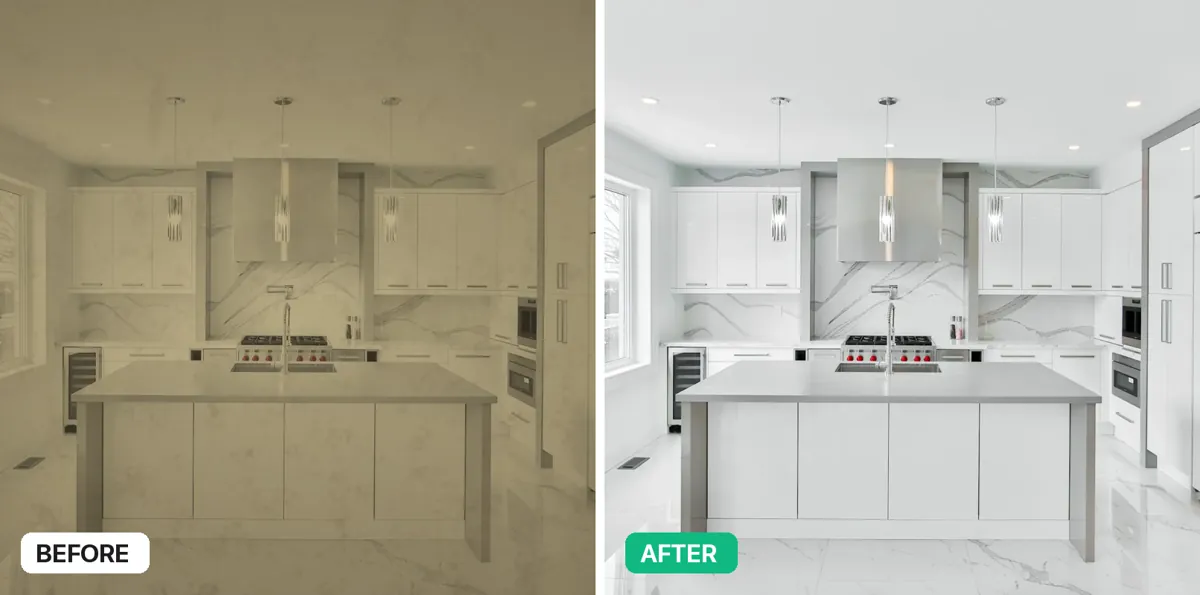
- Before and after for every room, from the same angle, so the improvement is undeniable.
- Close-ups of the usual suspects: oven, hob, extractor, limescale, skirting boards, inside cupboards and the fridge.
- Date, time and address on the photos, taken on the day of the clean — ideally as close to the check-out as possible.
- A written list of what was cleaned, matched to the photos, plus your invoice showing the scope of the job.
- Anything you couldn't fix, noted and photographed — worn carpet, permanent stains or damage aren't cleaning issues, and saying so early protects you.
When a complaint arrives
- Stay factual and reply in writing.
- Send the report from the day of the clean rather than individual photos — it shows the whole job.
- If something genuinely was missed, offer to put it right quickly; it's cheaper than a dispute.
- Keep reports for each job for at least the length of the deposit dispute window.
This article is general information, not legal advice. Deposit rules differ between England & Wales, Scotland and Northern Ireland.