
A cleaning business is one of the cheapest businesses to start. You need supplies, a way to reach clients and a way to get paid — most solo cleaners start for a few hundred pounds or dollars. What separates the ones that last is the boring part: registering properly, pricing so you make money, and protecting yourself when a client says the job wasn't done.
This guide covers the steps in order, with notes for the UK and the US. It isn't legal or tax advice — check the official sources linked for your situation.
1. Choose what you'll clean
Pick one or two services to start. It makes pricing, supplies and marketing much simpler.
- Regular domestic cleaning (weekly or fortnightly) — steady, repeat income.
- Deep cleans and move-in cleans — higher price per job, less predictable.
- End of tenancy (UK) or move-out cleaning (US) — busy at the end of the month, with deposits at stake.
- Airbnb and holiday-let turnovers — tight time windows, regular work from hosts.
- Small offices — evening work, often on a contract.
2. Register the business
UK: most cleaners start as a sole trader. You need to register with HMRC for Self Assessment if you earn more than the trading allowance, and keep records of income and expenses. You can register a limited company later if it suits you.
US:many cleaners start as a sole proprietor or form an LLC. Requirements vary by state and city — you may need a business license, and you'll report income on your tax return. The SBA's guide to launching a business walks through the options.
3. Get insured
Public liability (UK) or general liability (US) insurance covers you if you damage something or someone is hurt in a client's home. It isn't always a legal requirement, but many clients and letting agents ask for it, and it's inexpensive for a solo cleaner. In the US, some cleaners also get bonded, which reassures clients about theft claims.
4. Set your prices
Decide whether you charge by the hour or by the job. Hourly is simpler at first; flat rates reward you for getting faster. Work out what you need to earn after supplies, travel and tax, then check local rates. Our guide to how much to charge for house cleaning has current UK and US figures.
5. Buy your starter kit
- Microfibre cloths (colour-coded for kitchen, bathroom and general).
- Multi-surface cleaner, degreaser, limescale remover, glass cleaner, disinfectant.
- Vacuum with attachments, mop and bucket, scrub brushes, scraper.
- Gloves, caddy and bin bags.
- Oven-cleaning kit if you offer end of tenancy or deep cleans.
6. Find your first clients
- Tell friends, family and neighbours — word of mouth is how most cleaners get their first five clients.
- Post in local Facebook groups and on Nextdoor with clear prices and before & after photos.
- Set up a free Google Business Profile so you appear in local searches.
- Approach letting agents and Airbnb hosts — they need reliable cleaners every month.
- Ask every happy client for a review and a referral.
7. Protect yourself on every job
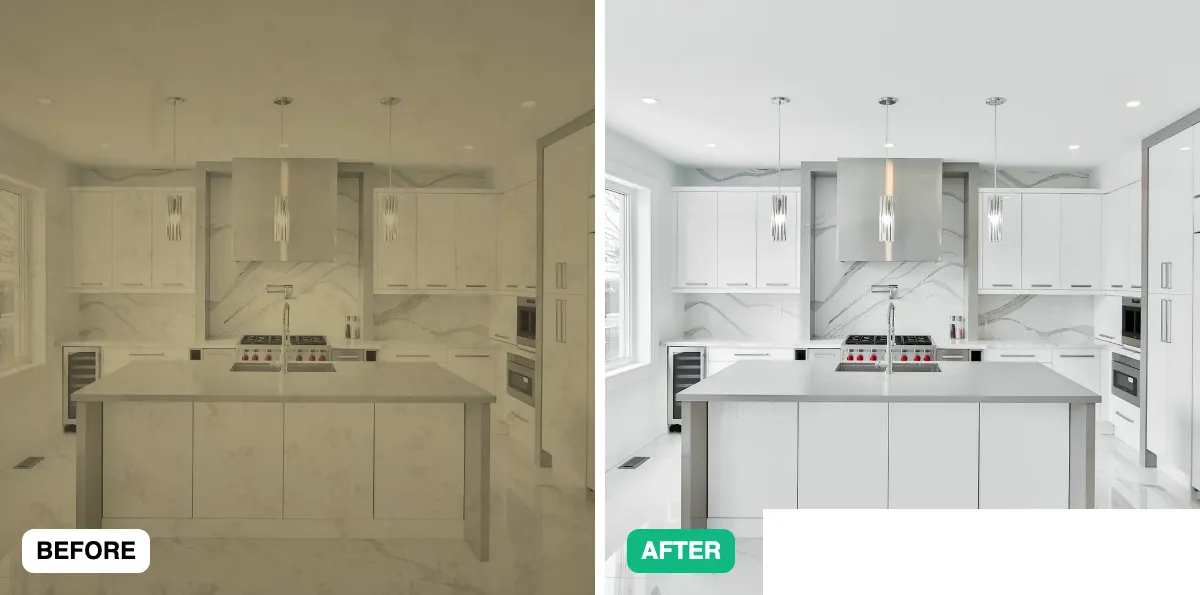
Sooner or later a client, landlord or agent will say something wasn't cleaned. Take before and after photos of every room, with the date and time visible, and send a short report when you finish. It ends most complaints in one message — and the photos double as your best marketing.
8. Get paid and keep records
Send an invoice the same day, with your payment details and due date. Keep every invoice and receipt for your tax return. Grab our free cleaning invoice templateif you don't have one yet.